About & Approach
We diagnose like a consultant and deliver like an implementer.
Owner-led businesses are served by strategy consultants who hand over a document, and by implementers who build before anyone has named the problem. Peak Momentum sits deliberately between them — on a scale small enough that an owner can actually say yes.
Why Peak Momentum exists
Most owner-led businesses don't have a technology problem. They have a sequencing problem.
The owner already senses that something is leaking — time, leads, margin, visibility — and can't say with confidence which leak to plug first. So nothing gets plugged, or the wrong thing does.
Peak Momentum begins with diagnosis, not prescription. Before recommending a tool, we measure the business. Before scoping a project, we score the opportunities. Before promising an outcome, we agree how it will be verified. Recommendations are earned by evidence, not supplied by enthusiasm — which is the opposite of how operational technology is usually sold.
Operating philosophy
Three principles that decide every engagement.
Diagnose before prescribing
The most valuable thing we can give an owner is an accurate name for the problem. We listen, measure, and score — in that order — before any recommendation.
Improve the business, not the tool stack
Success is measured in hours reclaimed, leads captured, and decisions no longer routed through the owner — never in software deployed.
Leave an asset behind
Every engagement leaves you owning something you didn't before: a documented process, a working system, a scored map of your operation.
Who's behind it
Built by someone who has been the bottleneck in his own business.
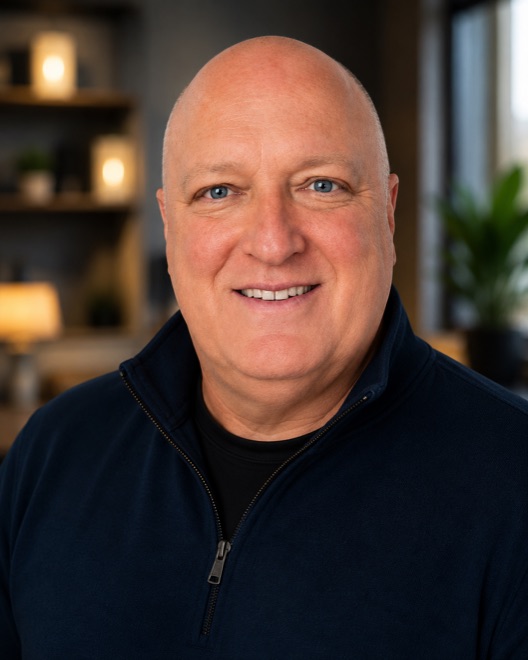

Eric Shelly
Founder, Peak Momentum
"I'm a retired dentist and investor. Now I help owner-led businesses find the operational bottlenecks, follow-up gaps, and AI opportunities that are costing them time and revenue."
A career as a practicing dentist and practice owner, and years since as a real estate investor, is the reason the practice begins where it does. A practice owner doesn't experience operational dysfunction as a diagram — they experience it as a day that never ends, a follow-up that never happened, and a number they can't find. That's why the front door is one focused hour, why the report is written in plain business language, and why the first recommendation is always one thing rather than nine.

The approach
Assess. Prioritize. Pilot.
A simple public path with a disciplined method behind it. Start with the assessment; the deeper six-phase method is how a readiness engagement runs.
Assess
Listen first, then check the story against real data. No recommendation is made in the first hour, and none without evidence behind it.
Prioritize
Score opportunities on value against effort and recommend one. Our core skill isn't finding problems — it's ordering them.
Pilot
Finish one scoped fix. A completed small win changes what an owner believes is possible more than a large plan ever does.
You will never be sold a solution before your problem has been named. Diagnosis before prescription. Evidence before recommendation. One fix before many. A price before a decision. And the truth before the sale.
The first call owners make when something's wrong
Find the leak. Fix the biggest one first.
One hour, three opportunities, one to start on, and a written report either way.